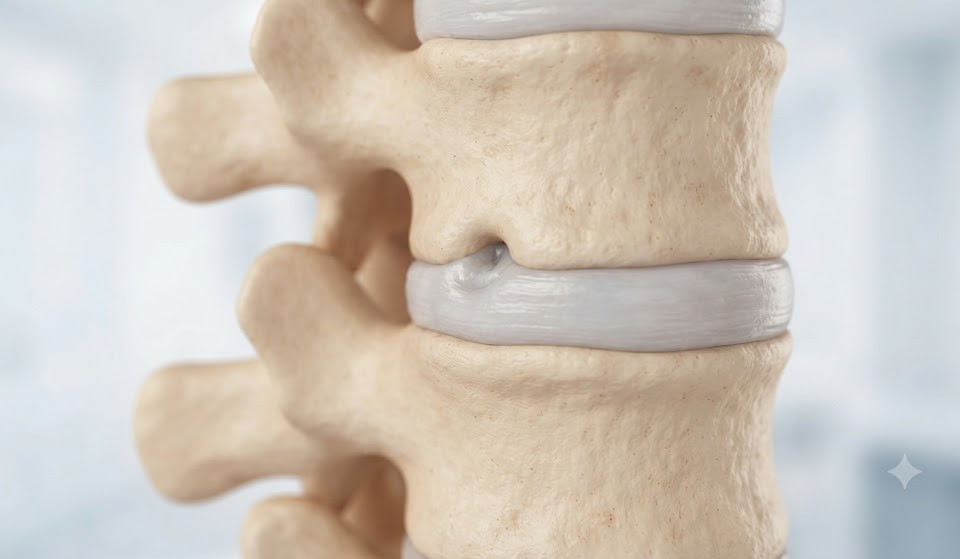

Back pain can feel scary, but knowing your body helps you heal. A schmorl’s node happens when a tiny piece of a soft spinal disc pushes into the hard bone next to it. It sounds complex, but it is just a small dip in your vertebra. Most people do not even know they have one. Doctors see them on scans by chance. They are usually harmless and rarely cause severe pain. Learning about your spine makes you feel safe. You can take charge of your wellness today with simple, positive daily habits. Your back works hard for you every single day. Treating it with kindness brings amazing rewards. Let us explore how your amazing spine stays strong and resilient.
What Is a Schmorl’s Node Inside Your Spine?
Your spine has bones called vertebrae stacked together like building blocks. Soft cushions sit between these bones to stop them from rubbing. Sometimes, the soft cushion gets a little tired or squeezed. A small part of the disc pokes into the bone above or below it. This little pocket is what experts call a schmorl’s node. It forms in the middle part of your spine or your lower back. Think of it like a soft thumbprint pressing into a piece of clay. It does not mean your whole back is broken or weak. It is just a tiny structural change inside the bone. Your body adapts to this change very easily. Knowing this fact takes away the worry and brings peace of mind.
How Do Doctors Find a Schmorl’s Node?
You cannot feel a schmorl’s node just by touching your back or bending over. Doctors discover it when you get an imaging test for something else. An X-ray, MRI, or CT scan takes a clear picture of your bones. The scan shows a tiny dark spot or a small notch in the vertebra. Radiologists spot these marks easily because they look distinct on a screen. If your doctor mentions a schmorl’s node after a scan, try not to panic. It is one of the most common findings on a routine spinal check. Most people live their whole lives without any trouble from it. Your doctor uses this clue to understand your overall bone health better.
Common Causes Behind a Schmorl’s Node
Why does this happen to some people and not others? Genetics play a big role in how strong your bones and discs are. If your parents had flexible or sensitive spines, you might too. Growing up fast during your teenage years can also create tiny weak spots. Heavy lifting or sudden impact can push the disc just enough to leave a mark. Athletes who jump a lot or do intense sports might see this happen. Age also changes the way our spinal discs hold water and stay plump. Every little bump and jump in life shapes our bones. Understanding these causes helps you protect your back from future stress.
Do You Feel Pain From a Schmorl’s Node?
The biggest question on your mind is probably about the ache in your back. The wonderful news is that a schmorl’s node rarely hurts at all. Most people have them and feel completely fine every single day. If you do feel sore, the pain usually comes from tired muscles around the area. Poor posture or sitting too long makes your back muscles tight and cranky. It is very rare for the schmorl’s node itself to be the main source of pain. Your doctor will look at the whole picture to find the real trouble. Separating disc marks from muscle tightness helps you target the right healing steps. You can relax knowing your spine is tougher than you think.
Simple Ways to Keep Your Spine Healthy
Taking care of your back does not require a fancy gym or hard work. Gentle daily stretching wakes up your spine and keeps you flexible. Walking is a fantastic, low-impact exercise that feeds your spinal discs with fresh nutrients. Drinking plenty of water helps your discs stay soft and bouncy like little sponges. When you lift a heavy box, bend your knees and keep the weight close. Good posture while sitting at your desk stops your spine from getting squished. Small, loving choices add up to a vibrant and energetic lifestyle. Your back will thank you every time you move with care and grace.
Safe Exercises for a Stronger Back
Moving your body is the best medicine for a happy spine. Cat-cow stretches on a soft mat make your back feel wonderful and loose. Gentle bird-dog poses build deep core strength without hurting your bones. Swimming is a magical workout because the water holds your weight completely. Walking in the fresh air brings joy to your mind and strength to your legs. Avoid twisting too fast or lifting heavy items without warming up first. Listen to your body and stop right away if something feels sharp or wrong. Building strength is a fun journey, not a race. Enjoy the process of feeling fit, capable, and full of vitality.
When to Talk to a Doctor About Back Care
Listening to your body is a true superpower. If your back hurts every day or the pain shoots down your leg, call a professional. Numbness or tingling in your toes means it is time to get checked out. Your doctor can run safe tests and give you a clear, comforting plan. Physical therapists are also wonderful guides who teach you special healing moves. Do not wait until the ache becomes too big to handle. Getting early help makes recovery fast, easy, and completely stress-free. You deserve to feel comfortable and strong in your own body. Professional guidance gives you the exact tools you need to thrive.
Daily Habits That Protect Your Spine
Your daily routine holds the secret to long-lasting back wellness. Adjust your car seat so your lower back has a nice, supportive cushion. Stand up and stretch every thirty minutes if you work at a computer. Sleep on a mattress that supports your natural curves and feels cozy. Wear comfortable shoes that give your feet a solid, happy foundation. Eating healthy foods rich in calcium and vitamin D keeps your bones super strong. These tiny adjustments become second nature after just a few days of practice. You create a protective shield around your spine through mindful living. Embrace these easy habits and watch your daily energy soar.

Conclusion
Living a full and active life with a schmorl’s node is entirely possible. Thousands of athletes, dancers, and everyday people have them and win big. Your mindset matters just as much as the strength of your bones. Stay positive, keep moving, and focus on the things your body does right. Every step you take makes your muscles more supportive and resilient. Celebrate your small victories, like touching your toes or walking a little farther. You are the author of your own health story and your own happiness. Trust your body, cherish your spine, and look forward to a bright tomorrow. Great health is an amazing adventure waiting for you.
FAQs
Is a schmorl’s node a serious medical condition?
No, it is a very common and usually harmless finding on a spinal scan. Most people live normal, active lives without knowing they have one.
Can a schmorl’s node go away on its own?
The small indentation in the bone typically stays the same, but any surrounding muscle pain can heal completely with rest and stretching.
What kind of doctor should I see for back pain?
You can start by visiting your primary care doctor. They may refer you to a spine specialist or physical therapist if needed.
Does a schmorl’s node cause permanent paralysis?
No, it does not affect the spinal cord in a way that causes paralysis. It is a benign change in the outer bone of the vertebra.
Can I still work out if I have a schmorl’s node?
Yes, gentle exercises like walking, swimming, and light stretching are wonderful for keeping your back strong and healthy.
How do I know if my back pain is serious?
If you feel severe pain that does not go away, or if you experience numbness or weakness in your legs, see a doctor right away.