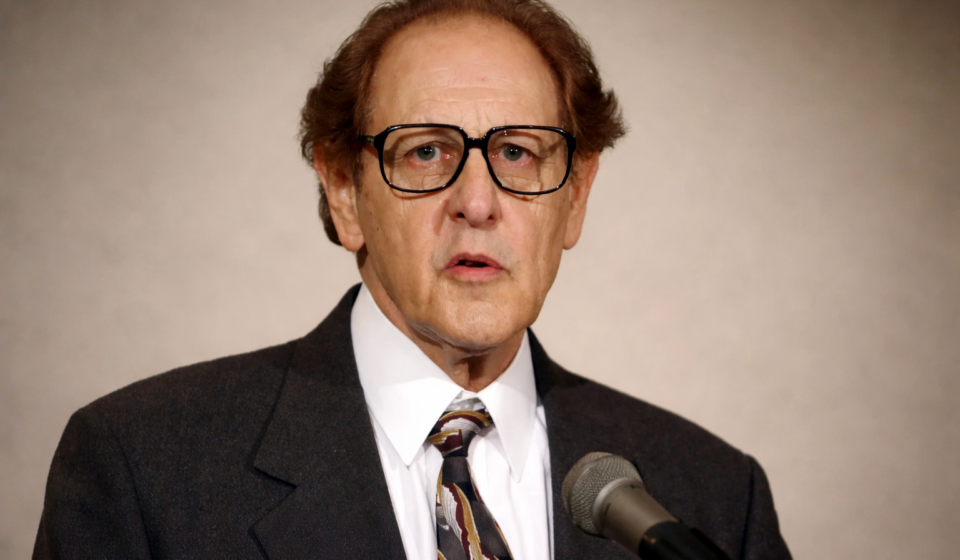

Philip W. Berk, born on February 13, 1933, in Cape Town, South Africa, is a long-standing journalist, film critic, and Hollywood executive, known for his decades of involvement with the Hollywood Foreign Press Association (HFPA). Over the course of his career, he rose to become HFPA president and treasurer and was widely recognized for his influence on the Golden Globe Awards. Berk’s career spans nearly seventy years, and he has become a notable figure both for his professional achievements and his controversial moments in Hollywood history.
Berk moved to the United States in the early 1950s and attended the University of California, Los Angeles (UCLA) School of Theater, Film and Television, graduating in 1955. This formal education gave him the foundation to work as a journalist and film critic, eventually leading to his position in the HFPA. Early in his career, he also wrote for international publications, including South African and Malaysian outlets, which helped establish his global perspective on entertainment reporting.
In 1954, Berk married Ruth Greenberg, and the couple had four children together. While he maintained a relatively private family life, Ruth often accompanied him during his work-related travels and social events in Hollywood circles. Berk’s Jewish background has been a subject of discussion due to his early work with the B’nai B’rith Messenger, a Jewish newspaper, though there is no confirmed evidence he practiced Judaism personally. His early journalistic endeavors, combined with his international outlook, positioned him for a leadership role in Hollywood’s media organizations.
Philip Berk and the Hollywood Foreign Press Association
The Hollywood Foreign Press Association is best known for organizing the Golden Globe Awards, which honor excellence in film and television. Berk joined the HFPA in the 1970s and became a prominent member over four decades. His role included both administrative and ceremonial duties, and he eventually served multiple terms as president and treasurer.
During his tenure, Berk influenced the HFPA’s international outreach, including awards coverage for foreign media. He was also involved in arranging events, press briefings, and luncheons associated with the Golden Globes. His work extended beyond the awards, as he was often a spokesperson for the organization, explaining its mission to journalists and global audiences.
Berk’s influence also extended to mentoring new members and helping the organization maintain its connections with both Hollywood talent and international press outlets. His decades-long involvement gave him insider knowledge of Hollywood, celebrity behavior, and the inner workings of entertainment journalism, which later became material for his memoirs and interviews.
Philip Berk’s Memoir and Insights into Hollywood
In 2014, Philip Berk published his memoir, With Signs and Wonders – My Journey from Darkest Africa to the Bright Lights of Hollywood. The book chronicled his life from South Africa to his extensive Hollywood career. Berk provided detailed accounts of HFPA meetings, Golden Globe ceremonies, and interactions with famous actors, producers, and directors.
The memoir revealed the inner workings of Hollywood journalism and the HFPA, including candid anecdotes about celebrities, organizational politics, and Berk’s personal opinions on industry practices. Some HFPA members criticized the memoir for exposing private details about the organization, which led to tension and a temporary leave of absence for Berk. Despite controversy, the memoir is often cited as one of the most detailed insider accounts of the HFPA’s operations.
Philip Berk and Brendan Fraser: The 2003 Incident
One of the most significant controversies in Berk’s career involves actor Brendan Fraser. Fraser, a Canadian-American actor known for films like The Mummy trilogy, George of the Jungle, and Crash, came forward publicly in 2018 with allegations regarding an incident in 2003 at a Golden Globe-associated luncheon.
According to Fraser, Berk approached him ostensibly to shake hands but instead groped him inappropriately, touching his buttocks and genital area. Fraser described the experience as traumatic, leaving him shocked and distressed. He immediately left the event and confided only in his then-wife.
The HFPA conducted an internal investigation into the incident. Their conclusion characterized the behavior as inappropriate but suggested it was meant “as a joke” rather than as a sexual advance. Fraser rejected this framing, arguing it minimized the severity of the experience.
Berk has denied Fraser’s more severe claims but admitted in his memoir to having pinched Fraser’s backside “in jest.” The incident has been widely discussed in Hollywood as part of the broader conversation about power dynamics, harassment, and the treatment of male victims in the entertainment industry. Fraser later stated that this event influenced his career trajectory and contributed to his decision not to attend Golden Globe ceremonies even when nominated.
Philip Berk’s Career Controversies Beyond Fraser
In addition to the Fraser incident, Berk faced significant criticism and was eventually expelled from the HFPA in 2021. The expulsion followed an email he sent to HFPA members that quoted an article critical of the Black Lives Matter movement, referring to it as a “racist hate movement.” The email drew widespread condemnation and was considered incompatible with HFPA policies on diversity and inclusion.
The HFPA officially removed Berk, emphasizing that the organization condemns all forms of racism, discrimination, and hate speech. This expulsion effectively ended Berk’s long-standing tenure with the HFPA, marking a controversial end to his decades of influence within the organization.
Philip Berk’s Personal Life
Philip Berk has maintained a relatively private personal life. Married to Ruth Greenberg since 1954, they raised four children together. Beyond his marriage and family, little personal information is widely documented. His Jewish background has been a topic of discussion, primarily due to his early work as a journalist for the B’nai B’rith Messenger. However, there is no definitive evidence that Berk actively practiced Judaism.
Berk’s memoir includes personal anecdotes and reflections on his family, friendships, and career milestones. These accounts provide insight into his character, his approach to Hollywood, and his long-term engagement with international journalism.
Philip Berk’s Role in Hollywood and Media Influence
Although Berk was not an actor and did not have a filmography in the traditional sense, his influence in Hollywood was considerable. As a journalist, critic, and HFPA leader, he had access to actors, directors, and producers at both public and private events. His opinions often influenced international reporting about Hollywood films and awards.
Through the HFPA, Berk helped coordinate press coverage, award ceremonies, and celebrity interviews. His work with international journalists provided a global lens on American entertainment, and his decades-long career gave him a unique perspective on changes in the film industry, celebrity culture, and media dynamics.
Philip Berk’s Net Worth
Philip Berk’s financial status is not publicly documented, and there are no verified reports of his net worth. Speculative figures exist online, but they lack credible evidence. Berk’s career earnings came primarily from journalism, HFPA leadership, and his consulting roles in the entertainment industry. Unlike actors or major producers, he did not generate wealth from films, royalties, or major business ventures.
Philip Berk’s Legacy in Hollywood
Philip Berk’s legacy is complex. On one hand, he was a highly influential member of the HFPA, shaping the international coverage of Hollywood films and awards for decades. On the other hand, his career is shadowed by controversies, including the Brendan Fraser allegations and his expulsion for racially insensitive communications.
Berk’s story highlights the intersection of power, influence, and accountability in Hollywood. His long tenure at the HFPA demonstrates the reach and authority that journalists and organizational leaders can achieve behind the scenes, while his controversies underscore the consequences when professional behavior is challenged in public forums.
Philip Berk and Brendan Fraser: Broader Implications
The 2003 incident between Philip Berk and Brendan Fraser has broader implications for Hollywood’s handling of sexual misconduct allegations. Fraser’s story illustrates the challenges male victims face in reporting harassment, and it sparked industry discussions on the importance of organizational accountability and reform.
Fraser’s eventual public acknowledgment of the incident and his reflections on the impact it had on his career demonstrate how power dynamics in Hollywood can affect both personal and professional trajectories. The story also contributed to wider conversations about gender, authority, and the responsibilities of institutions like the HFPA.
Conclusion
Philip Berk’s life and career exemplify the highs and lows of influence in Hollywood. His decades-long service with the HFPA made him a central figure in international entertainment journalism, while his memoir and insider knowledge offered rare insight into the inner workings of Hollywood.
At the same time, controversies — particularly the sexual misconduct allegation from Brendan Fraser and Berk’s later expulsion from the HFPA — have heavily shaped public perception. These events reflect broader issues in the entertainment industry concerning harassment, power, and accountability.
Philip Berk remains a figure whose contributions to Hollywood’s international media presence are undeniable, but whose personal controversies and organizational conflicts complicate his legacy. His story serves as a case study in influence, ethics, and the enduring impact of professional conduct on career and reputation.